

Blog
8 Bathroom Vanity Problems Homeowners Face and How to Fix Them

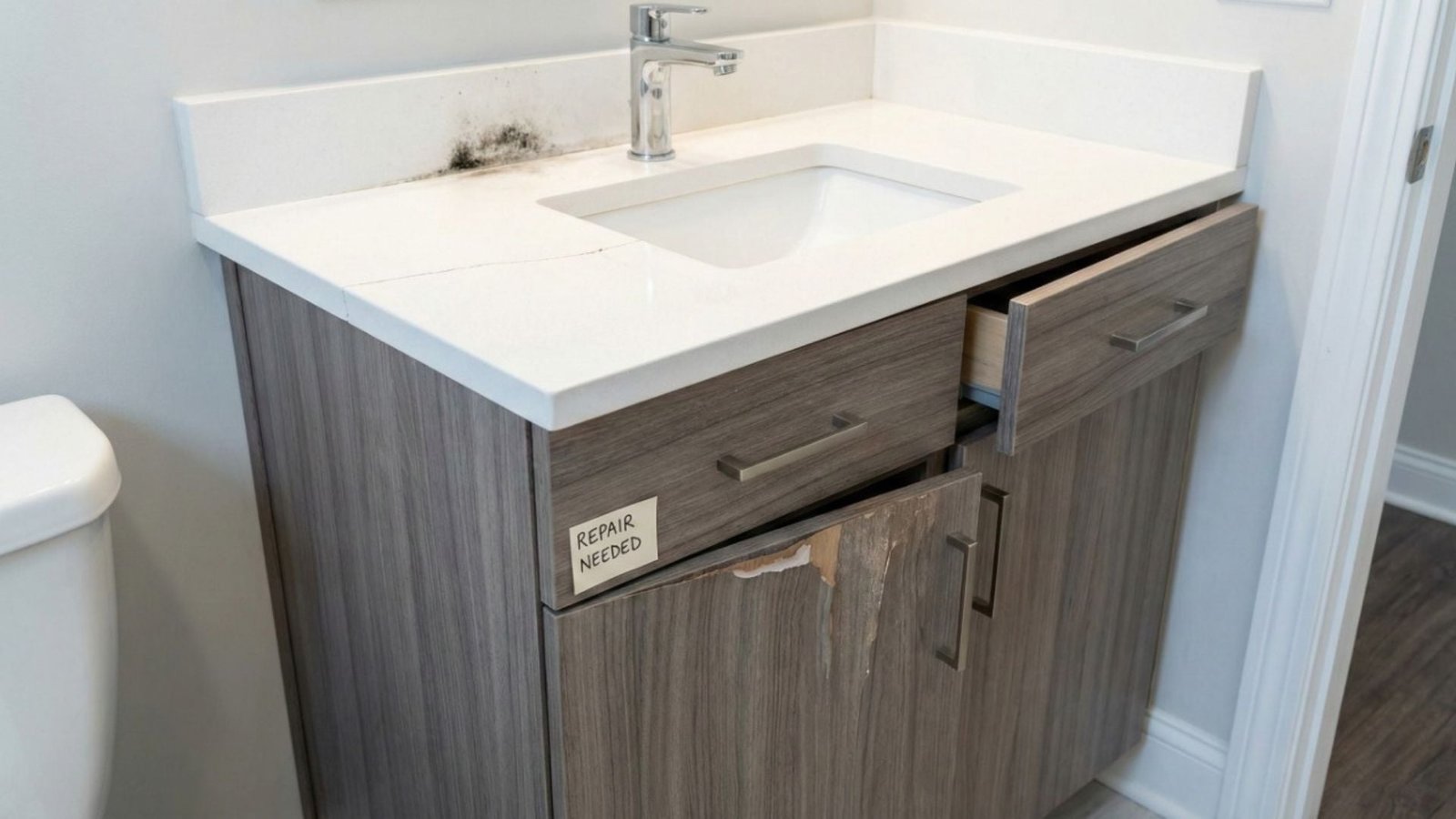
Bathroom vanities look simple at first, yet most homeowners run into problems they never expected or never knew existed. A beautiful vanity starts to swell, mold appears behind the basin, plumbing does not line up, or doors stop closing. These issues frustrate homeowners everywhere in the UK, but most of them are avoidable.
Our experience working with customers, combined with real stories from homeowners, shows a clear pattern. The biggest vanity problems happen because of poor planning, misunderstood materials, and bathroom environments that are not managed properly.
This guide walks you through the most common problems, why they happen, and how to prevent them. By the end, you will know how to choose a vanity that looks great, performs well, and lasts longer in real home conditions.
Key Functional Vanity Problems
Mold and Moisture Damage
Mold appears when there is no proper ventilation in your bathroom. This is the most common problem we see in UK bathrooms. People believe that mold comes from bad material, but the real cause is that trapped humidity.
When bathrooms have no window, no extractor fan, or no drying routine, moisture lingers and settles into the vanity. A working extractor fan dramatically lowers humidity levels, making it harder for mold to settle into the panels.
Over time, trapped moisture creates black spots, soft panels, and unpleasant smells.
When we tell people that most vanities are moisture resistant, not fully waterproof, they are surprised. Even solid wood will warp or mold if the bathroom is always moist.
From our experience, MDF with a lacquered finish handles moisture extremely well as long as the room has ventilation. It is also more stable than solid wood, which expands and contracts with humidity.
Cracked or Damaged Countertops
Countertops usually crack because of three reasons.
The first and most common is dropping heavy items directly onto the surface, like hair dryers or bottles.
Second, using harsh cleaning chemicals wears down the protective coat, making it vulnerable.
Third, and this surprises many people, natural expansion and contraction from temperature changes create stress points that eventually crack the surface.
A blocked overflow hole can also cause water to spill toward the vanity edges, increasing the chances of water damage.
Quartz and premium ceramic basins offer far better durability. They hold up to daily use and resist changes in temperature, which protects the vanity from long-term problems. For buyers, choosing a strong countertop material is one of the smartest decisions you can make.
Water Damage and Swelling
Leaking water is the most common, unnoticed, and silent destroyer of bathroom vanities. When water leaks beneath the sink or gathers around the edges, it causes panels to swell, drawers to jam, and the entire structure to lose its strength.
Most leaks start around the P-trap or U-bend, especially when plumbing alignment is slightly off. Swelling does not mean rotting, but swelling alone is enough to ruin a beautiful vanity.
Different materials react differently. Solid wood absorbs water, expands, and warps over time. Plywood can delaminate when exposed to leaks. MDF performs very well when painted and sealed, but it still requires proper airflow to stay dry.
Poorly sealed bathroom tiles or cracked grout lines can also direct moisture toward the base of the vanity.
The key is preventing long-term water exposure. Seal all edges properly and use a good quality silicone sealant around the base and joints to stop water from seeping into the panels. Check plumbing regularly and ensure the bathroom dries out after each use.
Read our vanity units buying guide to know which materials perform best in moisture-prone bathrooms and why.
Poor-Quality Materials
People get surprised when we tell them that vanities are not waterproof; they are water resistant. And this misunderstanding leads to disappointment later. Materials like chipboard and low grade laminates fail quickly because they cannot handle even small moisture exposure.
Several people online admitted they expected the chipboard to rot, which is not completely wrong. Cheap materials deteriorate fast in UK bathrooms.
Cheap units often have a weak cabinet carcass that cannot cope with daily humidity.
Quality material matters more than anything else for long-term usability. Our own branded bathroom vanities use painted MDF with 18 mm thick front and side panels and 16 mm panels elsewhere. This thickness makes a noticeable difference in durability. The more stable the material, the longer the vanity lasts.
Improper Installation
Improper installation causes more problems than any bad material choice. We have seen homeowners misjudge plumbing alignment and end up replacing the entire vanity because the pipes did not match the basin position.
Most modern vanities connect to PVC plumbing pipes, and even a small misalignment can create slow leaks over time.
Others discovered that their wall was not straight, which created uneven gaps on one side. This becomes even more noticeable with wall-hung vanities, as any uneven surface affects the final look.
This is why we always recommend bringing in a professional installer. He will check the wall, floor level, and plumbing before installing the vanity. This prevents leaks, uneven gaps, and long-term structural stress.
Design and Usability Issues
Insufficient Counter Space
Limited counter space is really frustrating for all of us, especially when it is a shared bathroom. Everyone needs somewhere to put their stuff, but there is simply not enough space. Products end up crowding around the sink, making the whole vanity look messy and harder to keep clean.
Double-sink vanities often create this problem. They look stylish, but most people rarely use both sinks at the same time. A single basin with a larger countertop usually serves better and provides more space for daily items.
If you still need extra space, add a medicine cabinet or wall-mounted storage above the vanity. Move everyday items like toothbrushes, toothpaste, and skincare products into that cabinet. Now you still have easy access to each item but with more countertop space.
Lack of Storage Capacity
Storage problems usually come from unrealistic expectations. People try to store every single item inside the vanity. And when you have a small bathroom where the vanity is the primary storage unit, this becomes a big problem.
The storage unit is designed to store only essential items like towels, cleaning products, and morning routine items. Use smart layout vanities with multiple drawers, internal sections, and double door cabinets like in our 500mm vanity units and 600mm vanity units with soft close mechanisms.
Soft-close hinges also reduce impact on the cabinet over time and help maintain smooth operation.
Think about what you use daily and choose a layout that supports your routine.
Outdated or Unappealing Design
Sometimes a vanity works perfectly but does not match the bathroom theme. A modern bathroom with an outdated cabinet looks mismatched and forced. Updating the vanity refreshes the mood of the entire room instantly.
White vanities and grey vanities remain the most popular because they suit nearly all UK bathroom designs. Blue and green are growing in demand but are usually chosen for premium or themed spaces.
Choosing the Right Vanity
Quality Materials to Look For
The best material for UK bathrooms is MDF with a lacquered finish. It is moisture resistant, stable, and affordable. Solid wood looks attractive but reacts poorly to humidity changes. Plywood performs well but still needs proper sealing.
A ceramic basin is also an excellent choice. It resists stains, scratches, and daily wear. When comparing products, look for material thickness, sealed edges, and the quality of the hinge system. These give the clearest picture of long-term durability.
When You Do NOT Need to Replace Your Vanity
Sometimes you do not need to replace your vanity. Small problems like loose hinges, adjusting doors, or repairing small scratches can be done easily at home with minimal effort. A vanity with good material and strong build can stay functional for years with simple maintenance.
Replace your vanity when you see signals like mold penetrating the structure, major swelling, cracked countertops, and plumbing misalignment. Leaks around the basin waste are another clear indicator because they often cause hidden moisture damage.
A helpful rule is that if repairs cost more than a third of a new vanity, replacement is the smarter investment.