

Blog
Wall-Mounted vs Floor-Standing Vanity Units: Which One Is Right for You?

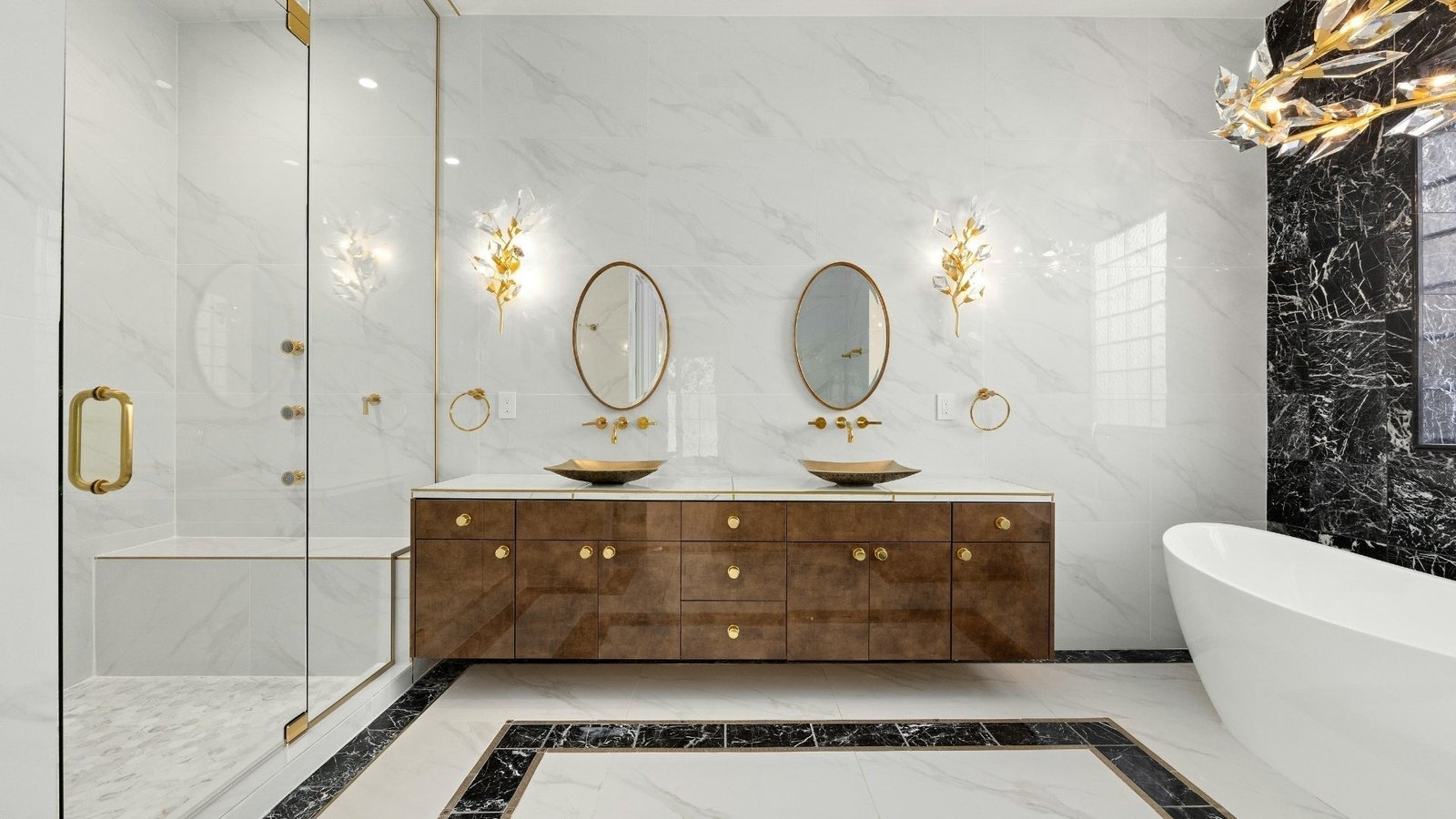
Most bathroom guides hide this truth from you: homeowners on Reddit report spending thousands fixing wall-mounted vanities that tilted after their kids hung on them. Others regret running out of storage space after installing floor-standing vanities.
We researched 5 detailed bathroom renovation guides, compared manufacturer specifications for both vanity types, and dug through dozens of real homeowner experiences on Reddit and home improvement forums to find out what actually happens after installation—the good, the bad, and the expensive mistakes.
By the end of this guide, you’ll know:
-
Whether your bathroom size and layout can handle a wall-mounted vanity unit
-
How to avoid the MDF water damage problem that affects both wall-mounted and standing vanities
-
What type of vanity unit is best suited for families with young children (the answer surprised us)
-
Exactly what installation budget and wall requirements you need for each type
We’ve broken down every factor that actually matters—installation costs, material durability, cleaning, and family-specific considerations, so you can pick the vanity that works for your life, not just what looks cool on Pinterest.
What Is a Wall-Mounted Vanity Unit?
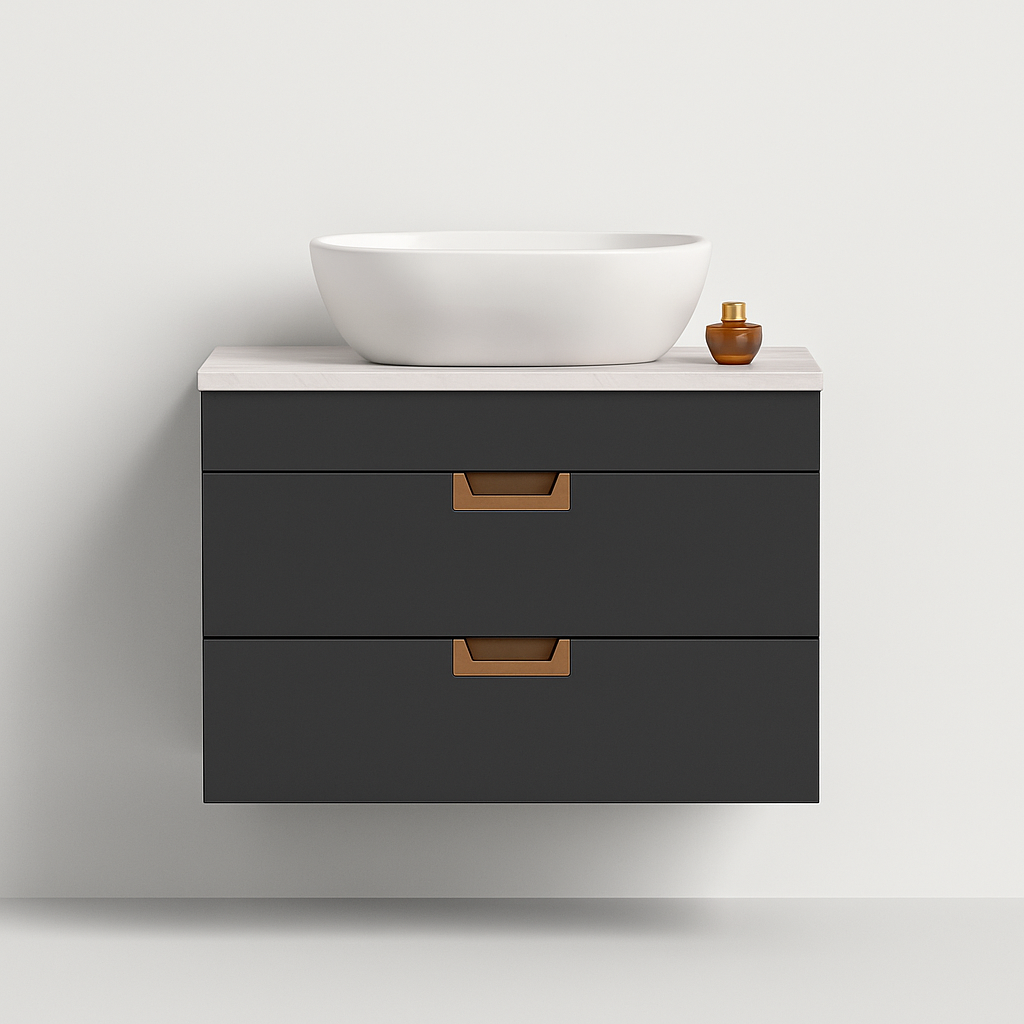
Wall-hung vanity units (also called floating vanity units) attach directly to your wall with the help of heavy-duty brackets or frames, with zero contact with the floor. The whole unit appears to float above the ground, creating a sleek, airy look that makes your bathroom feel more spacious.
These units come in all shapes and sizes. You can choose compact ones for your small powder rooms or cloakrooms, or larger ones with double-basin for master bathrooms. They have integrated storage with soft-close drawers or doors making them functional and stylish. Many modern units can also be fitted with LED lighting underneath for added ambiance.
What Is a Floor-Standing Vanity Unit?
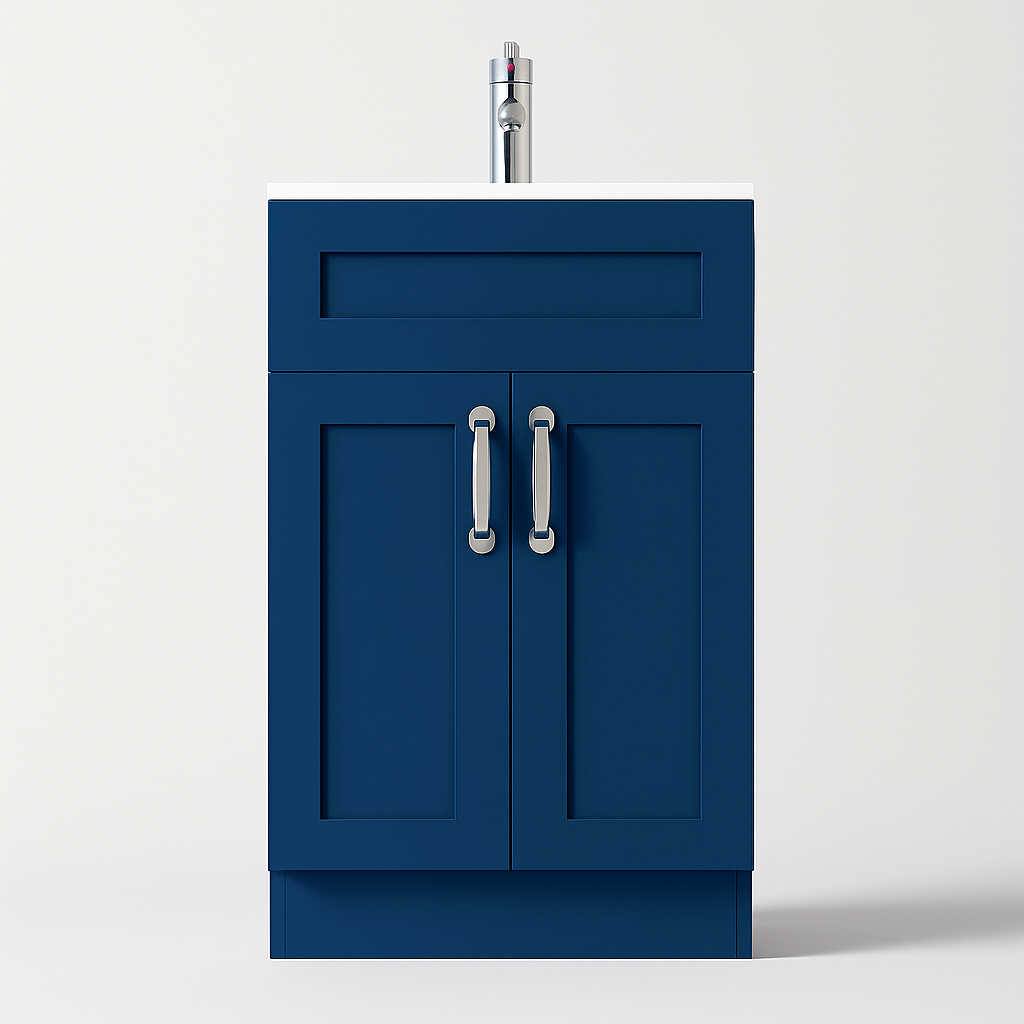
Floor-standing vanities (sometimes called freestanding units) sit directly on the floor, either on legs or a solid base, and support their own weight without needing wall support. These units typically come with built-in under-sink storage like drawers, shelves, or cupboard sections. They come in every style you can imagine from wood finishes to matte or gloss units. Their simplicity is what makes them beautiful and can be installed directly over existing plumbing without any heavy modification.
Installation Requirements and Costs
Installing Wall-Mounted Vanities
Installing floating vanities requires precise wall mounting, time, and honestly more budget. The wall must be solid brick/block or have reinforced studwork to handle the weight of the unit, especially after adding the ceramic basin and countertop. And this whole process will definitely require professional help (that’s what we recommend), unless you’re sure about your skills. Once it’s properly installed, it’s rock solid and looks absolutely stunning.
A quick material note: Many floating vanities use MDF (medium-density fiberboard) to keep them lightweight, but MDF is not good with bathroom moisture. Look for solid wood or quality plywood construction for better durability in humid environments.
Installing Floor-Standing Vanities
Floor-standing vanity units are more DIY-friendly and easy to install. Place the unit on the floor, position it against the wall, connect the plumbing through the rear or base, and secure it with basic fixings to prevent movement. That’s it.
You also don’t need any special wall modifications since the unit supports its own weight. No extra labour cost, quick installation, and many homeowners with basic DIY skills can handle this themselves. Just get professional help with plumbing (that’s what we recommend).
Space Considerations and Visual Impact
How Wall-Mounted Vanities Affect Space
Wall-mounted vanities shine in smaller bathrooms by making them feel bigger. By lifting the vanity off the floor, you create uninterrupted floor space that tricks your eye into perceiving way more square footage than actually exists. They can make small bathrooms appear 15-30% larger visually!
You can also set the height wherever you want, which is handy for taller users or bathrooms used by children. The main trade-off? Storage. Wall-mounted vanities typically offer less storage than floor-standing units, with cabinet depth limited to 18-22 inches and weight capacity around 200-300 pounds total.
How Floor-Standing Vanities Affect Space
On the other hand, floor-standing vanities offer more storage and flexibility. Since the floor carries their weight, these units often go up to 24 inches deep and fit larger sinks or built-in storage solutions. They’re a great fit for family bathrooms or anyone who needs serious storage. They also hide the plumbing system completely, creating a cleaner, more organised look.
Storage Capacity and Organisation
Storage Options in Wall-Mounted Vanities
Wall-mounted vanities offer less storage because they need to stay lightweight for safe wall mounting. Cabinet depth is typically limited to 18-22 inches, and total weight capacity max out around 200-300 pounds (including the vanity, basin, and contents). Modern floating vanities include clever internal organisers and soft-close drawers (preventing slamming and extending hardware life) that maximise space efficiently, but don’t expect to store bulky items.
Storage Options in Floor-Standing Vanities
Floor-standing vanities dominate storage. They’re not limited by weight restrictions, offering 21-24 inches of depth with deeper drawers and larger cupboards. You get plenty of room for toiletries, cleaning products, towels, extra supplies, and hair tools. Some models even include built-in storage compartments. For busy households or family bathrooms, this storage capacity is invaluable for keeping everything organised without needing extra shelving units.
Cleaning and Maintenance
Maintaining Wall-Mounted Vanities
Wall-mounted vanities are easier to clean. That open space underneath means you can sweep or mop the entire floor without obstacles. No dust bunnies hiding in corners, no moisture around a base, no awkward manoeuvring. There are fewer gaps where dirt collects, making them easy to maintain.
Maintaining Floor-Standing Vanities
Floor-standing vanities require more cleaning effort especially around the base. Dust, hair, and moisture collect in gaps around legs or under cabinets. Depending on design, these areas can be tricky to reach. Units with solid bases that sit flush help block dirt but can make tight corners difficult to clean.
What We’ve Learned From Homeowners
Here’s something that we found in our research: kids love to hang on floating vanities. We’re talking about the reality where your 4-year-old treats the vanity like a jungle gym while brushing their teeth. One homeowner told us their floating vanity tilted just enough from kids hanging on it that water no longer drains properly from the sink!
If you have young children, you might want to reconsider. Kids will climb, hang, swing, and test the limits of anything in the bathroom. Floor-standing vanities handle this abuse far better because they’re anchored by their own weight and structure. Wall-mounted vanities rely entirely on those mounting brackets, and even the best installation can shift over time with constant stress.
We’ve heard from parents who loved the look of floating vanities but switched to floor-standing after realising it wasn’t compatible with their family’s needs. One parent said a comment about kids climbing on vanities “saved them from making a big mistake” before their bathroom remodel.
Bottom line: If your bathroom is primarily used by children under 10, we strongly recommend floor-standing vanities for peace of mind.
Which Vanity Type Is Right for You?
Consider Your Bathroom Size and Layout
If you have a small bathroom, powder room, or compact urban space, wall-mounted vanities are your best bet. The visual expansion they create will make your bathroom feel significantly more spacious and less claustrophobic. You can choose between 400mm to 800mm wide depending on the available space, with common sizes at 600mm, 800mm, and 1200mm for double basins.
If you have a large bathroom with plenty of square footage, floor-standing vanities work beautifully. They provide that anchoring effect that gives structure to bigger spaces. You can take full advantage of their storage capacity without worrying about making the room feel cramped.
Assess Your Storage Needs and Household Composition
Be honest about how much stuff you need to store. Do you have tons of toiletries, hair tools, cleaning supplies, and bathroom essentials? Floor-standing vanities offer the storage capacity you need to keep everything organised and out of sight.
Choose floor-standing if you have:
-
Young children who climb or hang on fixtures
-
Multiple family members using the bathroom regularly
-
Anyone who needs to steady themselves on the vanity for balance
-
Lots of bathroom items to store
Choose wall-mounted if you have:
-
A child-free household or only adult users
-
Guests primarily using the bathroom
-
A household that values tidiness and minimal clutter
-
A powder room or half-bath with light use
We’ve heard from couples without kids who absolutely love their floating vanities. One person said, “Love mine. But we are two fairly tidy adults with no kids.” That context matters! You can check our wall mounted vs floor standing comparison for a clear breakdown of both styles.
Your Budget and Installation Constraints
Floor-standing vanities are more cost-effective, with lower purchase prices and simpler installation. If you’re working with limited budget or want a DIY-friendly option, this should be your go-to choice.
Wall-mounted vanities require a bigger investment upfront. You’ll pay more for the unit itself, professional installation, and potentially wall reinforcement. But if you have the budget and want that modern look, the investment can be worth it. And to be honest, they do look very beautiful.
Also consider your walls. If you have solid brick or block construction, then you are good to go. But if you have plasterboard walls, you’ll need reinforcement, which adds cost and complexity.
Final Recommendations
Neither option is universally better. They both excel in different situations, and the right choice depends entirely on your specific needs and priorities.
Choose wall-mounted if you have a small bathroom, want a modern look, prioritise easy cleaning, need accessibility features, or value visual space. You’ll need a bigger budget and professional installation, but the sleek look and space-saving benefits can be totally worth it.
Choose a floor-standing vanity if you need more storage, easier and cheaper installation, have a large bathroom that can accommodate it, prefer traditional styling, or are working with a tighter budget. The practical advantages and installation simplicity make these a solid choice for most households.