Cart
0
You may also like
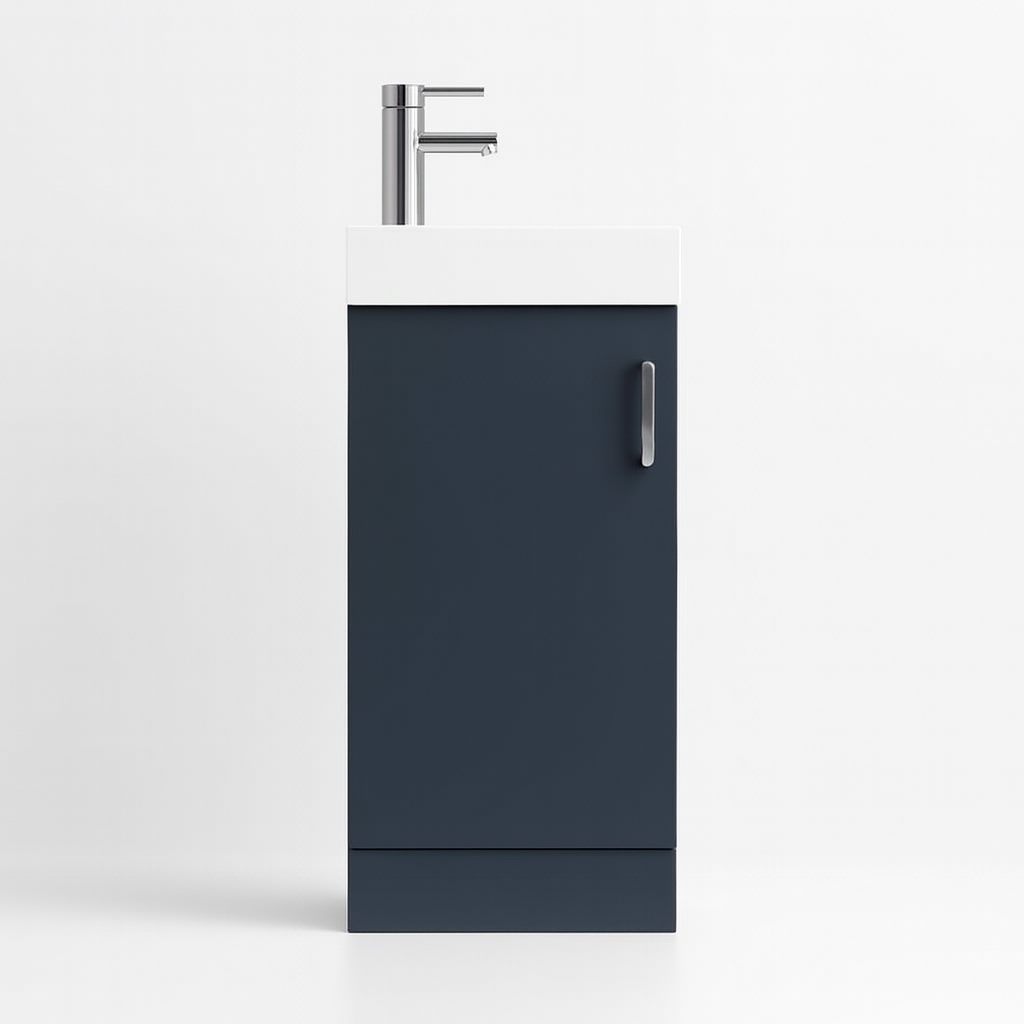
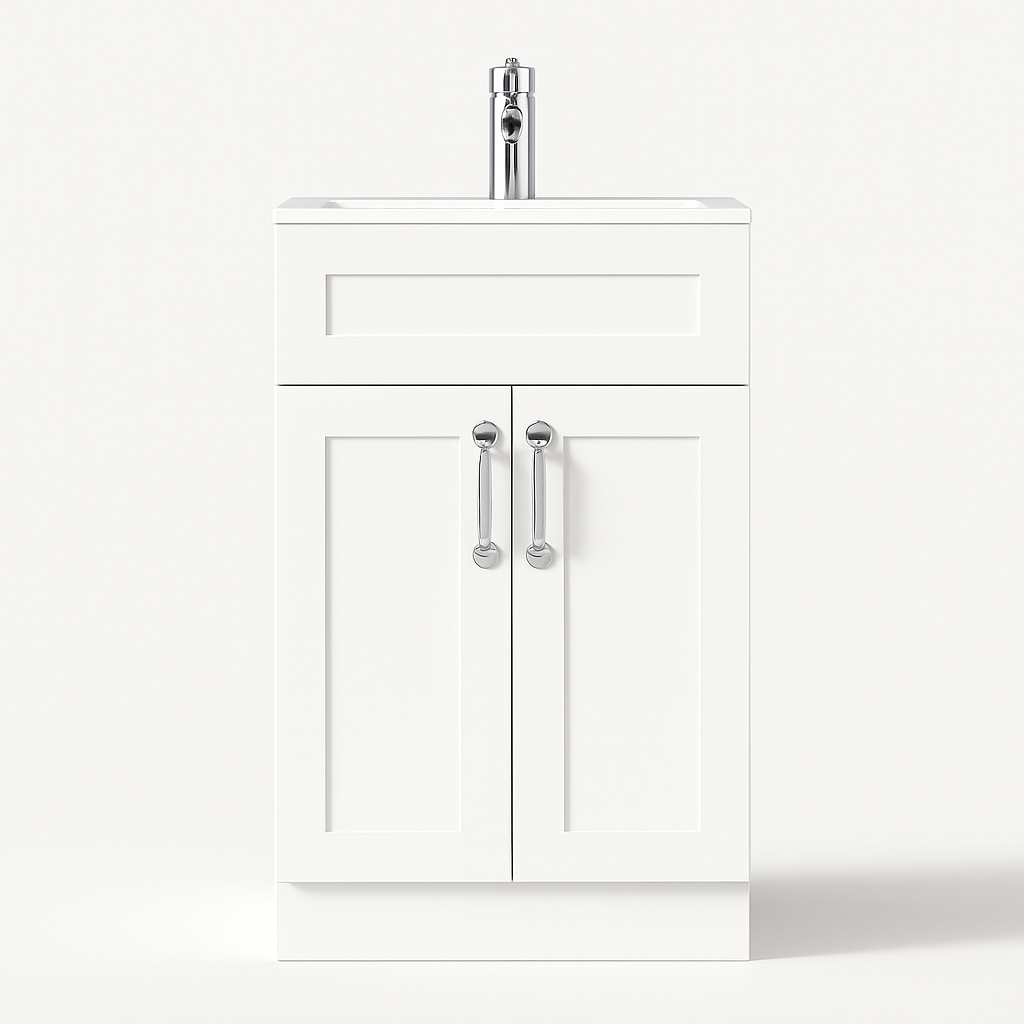
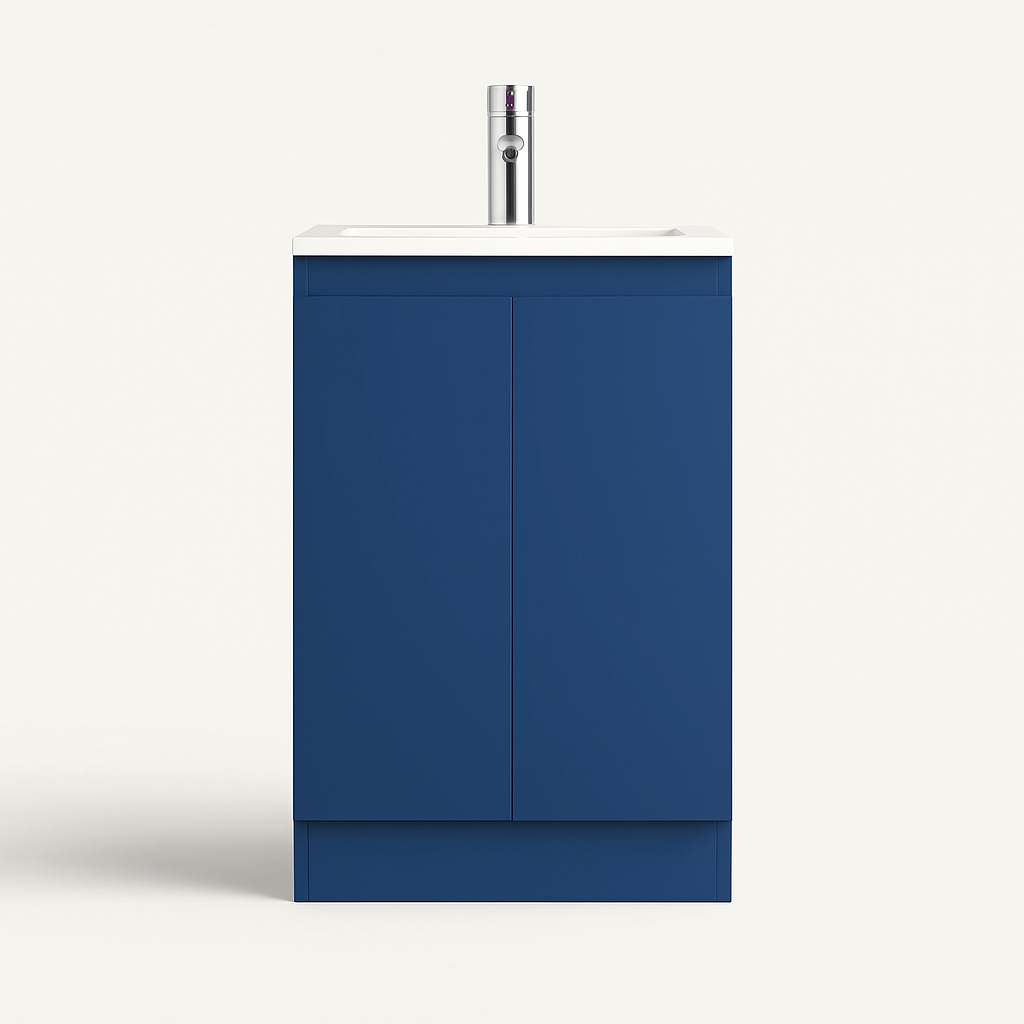
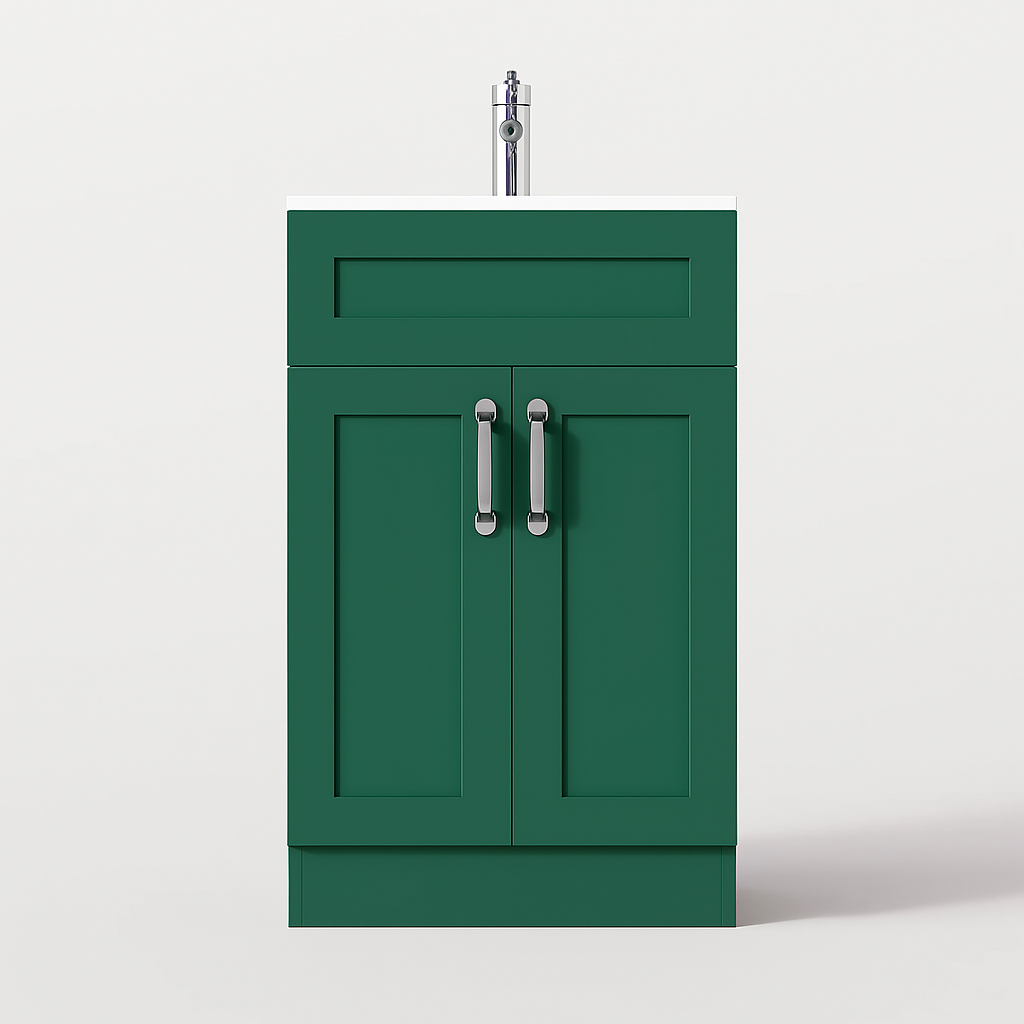
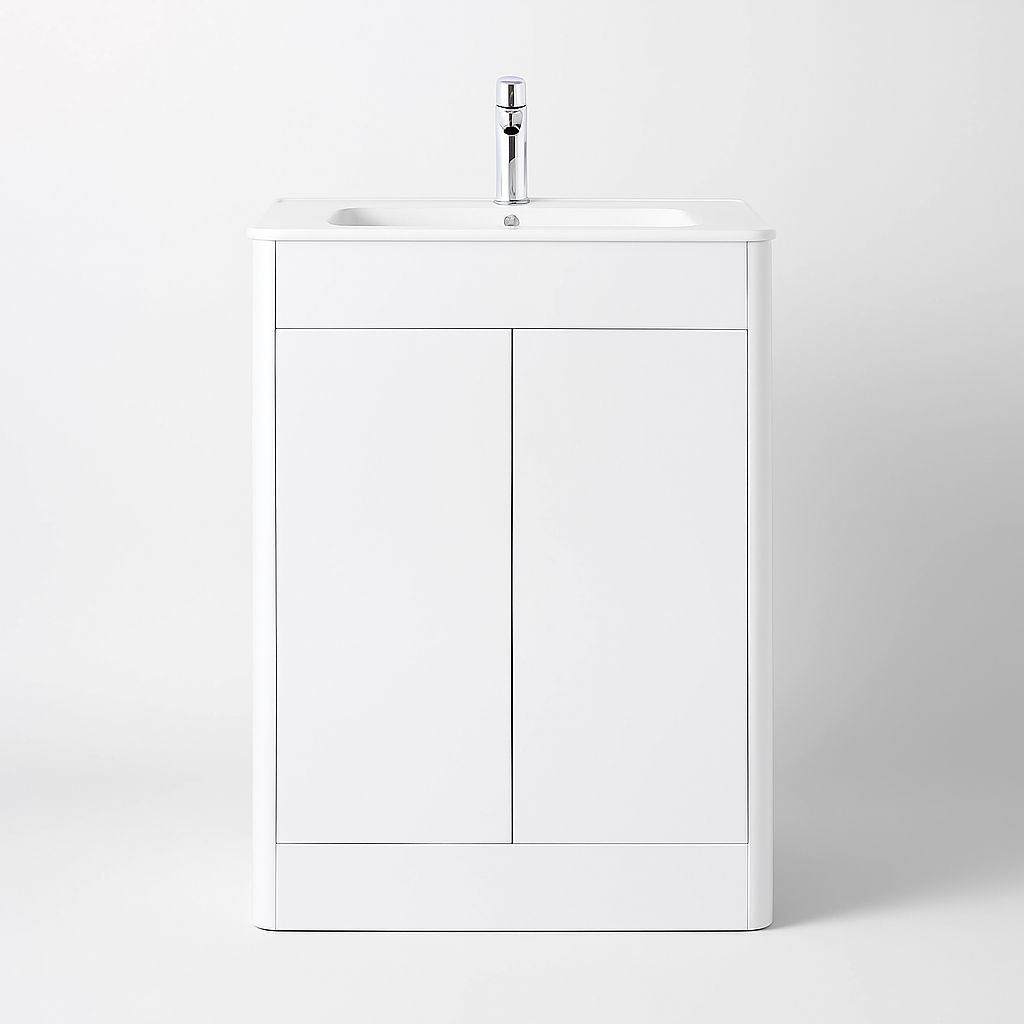
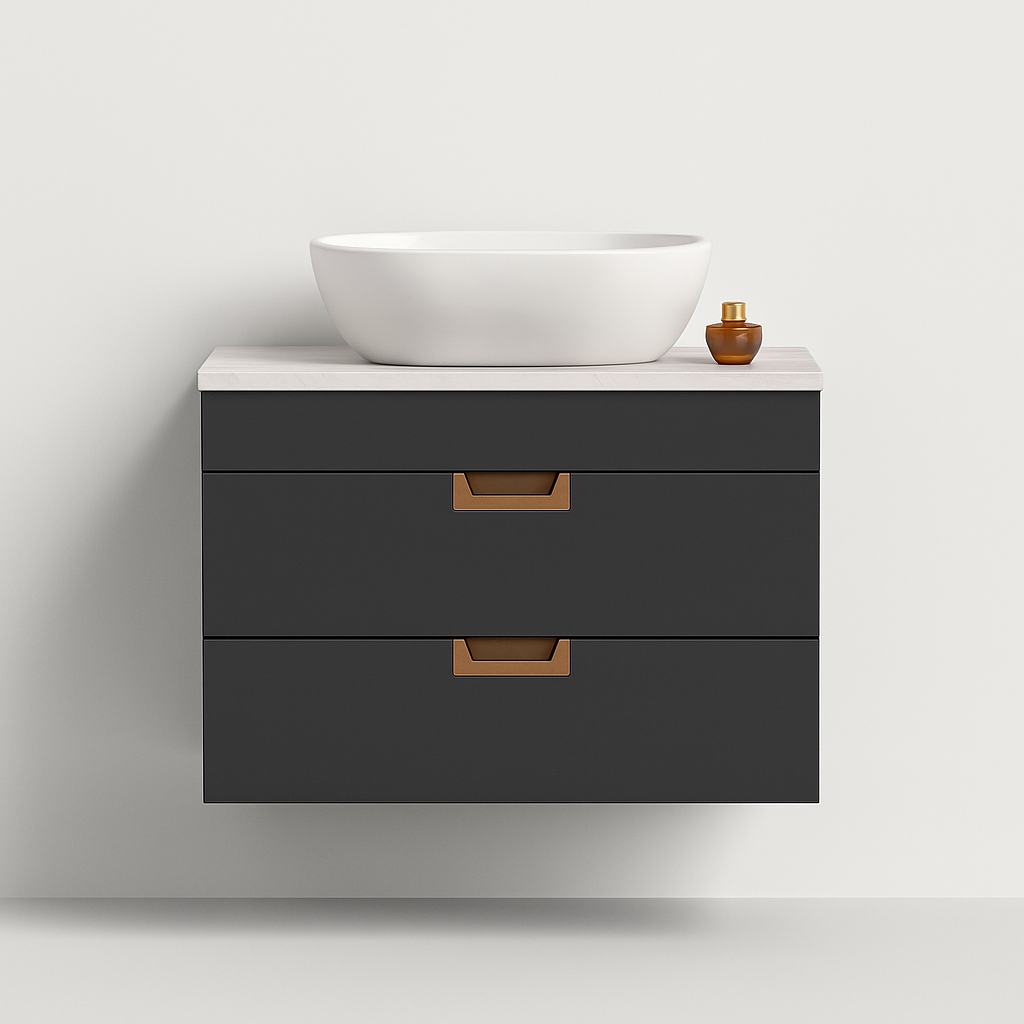


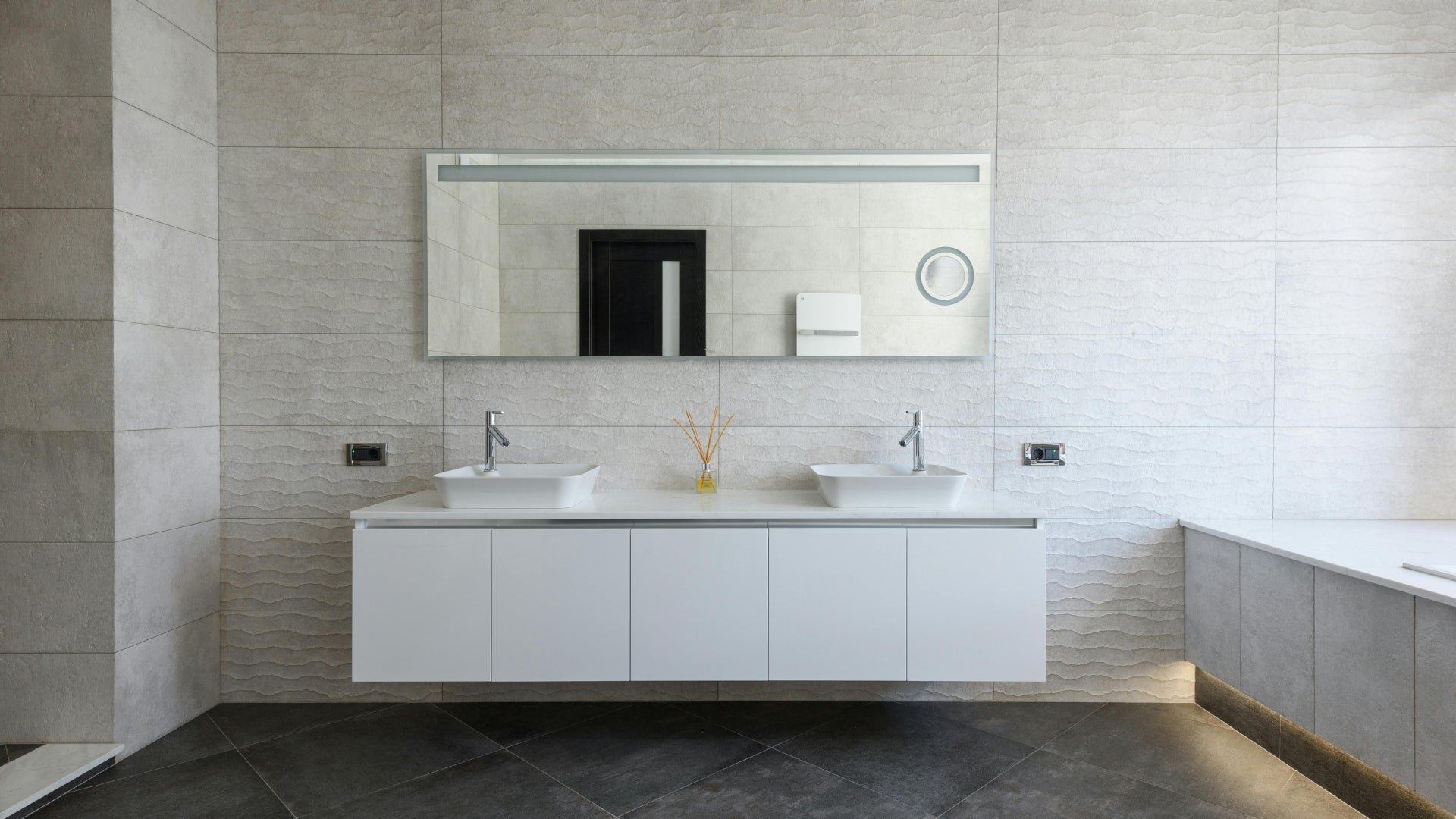
Bathroom renovations always look simple at the start. But then somewhere between choosing tiles and obsessing over tap finishes, things get complicated. And one of the biggest decisions is whether to go with a floor-standing vanity or a floating vanity unit.
Floating vanities have surged in popularity, and for good reason. They make bathrooms feel more spacious, cleaning becomes easy, and they give that sleek, spa-like look everyone wants. But here's the reality most design blogs skip: they're not perfect for every bathroom.
These wall-mounted units come with some serious drawbacks. Complex installation, less storage, and wall support requirements can make what seems like a straightforward upgrade into an expensive, complicated project.
We're going to walk through everything you need to know. The real advantages, the honest disadvantages, and how to figure out whether floating vanities suit your specific situation. By the end, you'll know exactly what to consider before committing to this popular design choice.
If you are not familiar with floating vanities, they are also called wall-mounted or wall-hung units, and are exactly what they sound like. Instead of sitting on the floor like floor-standing bathroom vanity units, they're attached directly to your wall, leaving the floor space beneath completely visible.
This creates that signature "floating" effect that's become a hallmark of modern bathroom design. You'll typically get your basin and some storage space, all while maintaining that clean, elevated look that can genuinely transform how your bathroom feels.
You can check our vanity unit guide for a simple breakdown of sizes, materials, and features.
Floating vanities are incredibly beautiful. Their clean lines and minimal design can turn any average bathroom into a modern space that feels high-end without the need for that premium price tag. You can even take it up a notch with an LED lighting mirror for a warm glow that highlights your tiles and adds subtle depth to the room.
Mounting the vanity on the wall instantly changes how your bathroom feels. Seeing the floor stretch underneath tricks the brain into believing that the space is larger than it is. For small bathrooms, cloakrooms, or en-suites, this visual trick makes a huge difference. It's why designers often recommend wall-hung vanities for tight spaces. They open up the room without needing any structural changes. Just make sure to choose the right size. For small bathrooms, go with 400mm vanity units. For medium to large family bathrooms, go with 500mm or above.
Floating vanities make cleaning simple. You don't need to crouch down to scrub awkward corners or mop around cabinet legs. Water, dust, and hair also don't gather underneath, so your bathroom stays cleaner for longer. Anyone who's had to reach behind a bulky floor unit knows how big of a win this is.
With wall-mounted units, you choose exactly where they sit. If you are particularly tall, you can mount it higher. Got young kids in your house? Position it lower. Want to make things more comfortable for an elderly family member? Adjust accordingly. It's a relatively small customisation, but one that can make a massive difference to long-term comfort and usability.
A floating design leaves space underneath for wheelchair access. This makes it easier for users to reach the sink without barriers or bending awkwardly. It's one of those design features that proves accessibility doesn't have to compromise on style.
Most floating vanities have less storage than floor-standing vanities. You will usually get drawers or small shelves instead of full cabinet depth, depending on the style you choose. If you store bulky towels, toiletries, or cleaning products inside, space might feel tight. Some homeowners balance this out with wall cabinets or recessed shelving elsewhere in the bathroom.
Installing floating vanities is not as simple as you might think. They need strong wall anchors, proper fixings, and reinforcement to support the weight. In older homes with plasterboard or stud walls, you might need to do a little more work with extra budget. A qualified installer will need to confirm the wall can bear the load, especially once the basin, vanity unit, and stored items are added.
Even though floating vanities come with the perk of adjustable height, plumbing can limit how high or low you can install it. Drain pipes and water supply lines might need repositioning. In new builds, this isn't a big deal, but in renovations, moving plumbing can drive up costs significantly.
Wall-mounted units often leave pipes and plumbing connections visible underneath. You'll either need to integrate them neatly into the design or box them in. And if there's ever a leak or maintenance issue, reaching the plumbing can be trickier than with a traditional setup.
The answer depends on your needs. If you want a clean, modern look with easier cleaning and better use of space, floating vanities are a great fit. But if your wall structure isn't strong or you need more storage, a floor-standing vanity might serve you better. Think about your daily use, family needs, and how much effort you're willing to invest in installation.
You can read more about these in our floor standing vs wall mounted vanities guide.
Floating vanity units offer some genuine advantages for many bathrooms. They deliver contemporary style, give you that sense of extra space, and make cleaning easy. However, installation complexity, structural requirements, and storage limitations mean they're not universally appropriate.
Consider your storage requirements realistically. Have your wall structure professionally evaluated. Factor installation costs into your budget from the beginning. We recommend consulting with bathroom design professionals who can assess your space and help you weigh the options based on your specific needs.